This page was written, edited, reviewed & approved by JR Krebs following our comprehensive editorial guidelines. JR Krebs, the Founding Partner, has years of legal experience as a Personal Injury attorney. Our last modified date shows when this page was last reviewed.
Punitive damages are monetary awards intended to punish defendants for egregious conduct. They also deter similar conduct in the future. Unlike compensatory damages, they go beyond covering your losses. Courts award punitive damages in about 5% of personal injury cases that go to trial. When awarded, these damages range from $50,000 to several million dollars.
Alabama law allows punitive damages under specific circumstances. The defendant's actions must show conscious disregard for safety. Answering the question, "What are punitive damages in Tuscaloosa?" can increase your total compensation. At Krebs Personal Injury Lawyers, we pursue maximum damages for our clients in Tuscaloosa. This guide covers eligibility, calculation methods, and Alabama-specific rules.
Damages in personal injury cases fall into distinct categories. Each serves a different purpose under the law. Compensatory damages make victims whole. Punitive damages punish wrongdoers for particularly egregious behavior.
Compensatory damages aim to make the injured party "whole" again. They cover your actual losses and harm from the accident. These damages include both economic damages and non-economic damages. Courts calculate them based on documented losses, such as medical bills and lost wages.
Every successful claim includes compensatory damages. You don't need to prove intentional wrongdoing to receive them. Standard negligence is enough. However, compensatory damages alone may fall short in egregious cases. When someone else's negligence causes severe harm, victims deserve fair compensation beyond basic losses.
Courts award punitive damages to punish defendants for outrageous conduct. These awards deter others from similar behavior. They send a clear message to society. Unlike compensatory damages, punitive awards focus on what the defendant did wrong.
Punitive damages target the most shocking behavior. Some courts call them "exemplary damages." They make an example of wrongdoers. Alabama recognizes punitive damages as a crucial element of public policy. They hold defendants responsible beyond simple compensation.
Economic damages represent your measurable financial losses. These include medical expenses, lost income, and property damage. Thorough documentation maximizes your recovery. We help clients collect evidence to prove every dollar lost.
Medical expenses often account for the largest share of economic damages. Emergency room visits create immediate bills. Hospital stays add to the total. Surgical procedures and physician fees further increase costs.
Future medical costs also count as economic damages. Serious injuries like traumatic brain injuries require ongoing care. Spinal cord injuries may need lifetime treatment. Broken bones can lead to other complications requiring surgery. According to the National Safety Council, the average cost of treating catastrophic injuries exceeds $1 million over a lifetime. We document expenses using medical records from every provider.
Lost wages cover money you missed during recovery. Lost income is broader. It includes sick leave and vacation time you used. Self-employment losses also qualify for recovery.
You can claim bonuses and commissions you missed. Benefits you lost also count. Pay stubs and tax returns prove your financial losses. Employer letters strengthen your claim. Long-term injuries may reduce your earning capacity for years.
Non-economic damages compensate for losses without receipts. Pain and suffering cover physical discomfort. Emotional distress addresses psychological harm. Mental anguish recognizes ongoing anxiety and depression. Loss of enjoyment of life covers activities you can no longer do.
Disfigurement and scarring fall into this category. PTSD following accidents also qualifies. Calculating these damages presents challenges. Attorneys use multiplier or per diem methods to assign value. These damages often exceed economic damages in serious cases. We focus on maximizing non-economic recovery for every client.

After a serious PUNITIVE DAMAGE
Alabama sets specific standards for punitive damage awards. Meeting the threshold requires evidence beyond ordinary negligence. The defendant must have acted with conscious disregard for safety. We thoroughly investigate to determine whether your case qualifies.
Establishing that the defendant owed you a duty is the first step. Drivers must operate vehicles safely. They must follow traffic laws and obey traffic signals. They cannot run a red light or exceed the speed limit without consequence.
Property owners must maintain safe premises. Employers must provide safe workplaces. Manufacturers must produce safe products. Understanding driver negligence law helps establish the duty of care. The duty varies based on the relationship and circumstances. Proving duty forms the foundation for all negligence claims.
Standard negligence differs from gross negligence. When a breach occurs with reckless indifference, punitive damages may apply. Wanton conduct under Alabama law means ignoring obvious dangers. Intentional misconduct automatically qualifies for punitive consideration.
A pattern of dangerous behavior strengthens claims. Alabama Code Section 6-11-20 sets requirements for these awards. You must prove egregious behavior by clear and convincing evidence. This standard is higher than typical proof requirements. The severity of the breach affects your eligibility.
Certain case types frequently qualify for punitive awards. The common thread is egregious conduct that shocks the conscience. Car wrecks caused by drunk drivers often qualify. Catastrophic injuries from intentional acts also warrant punishment.
DUI and DWI accidents are prime candidates for punitive damages. According to the National Highway Traffic Safety Administration, Alabama sees over 200 drunk driving fatalities each year. Drivers who ignore the speed limit and cause crashes may face punitive liability. Those who run red lights or blow through traffic signals demonstrate a conscious disregard.
Distracted driving that causes a car accident can result in punitive damages. Hit-and-run accidents demonstrate disregard for victims. Repeat traffic offenders show a pattern of dangerous behavior. Criminal charges support civil punitive claims. Accident reports and witness statements help prove reckless conduct.
Catastrophic injuries include traumatic brain injuries and spinal cord injuries. Amputations and severe broken bones also qualify. When these injuries result from egregious conduct, punitive damages often apply. Assaults and intentional acts clearly qualify.
Extreme workplace accidents caused by safety violations warrant punishment. Defective products with known dangers give rise to claims against manufacturers. Medical malpractice involving gross negligence can qualify. We have extensive experience with catastrophic injury cases in Tuscaloosa.
Alabama Code Section 6-11-21 limits punitive awards in most cases. The general cap is three times compensatory damages or $1.5 million. Courts apply whichever amount is greater. Physical injury cases are capped at $1.5 million.
Important exceptions exist. Wrongful death cases have no cap. Pattern or practice of conduct cases also has no cap. Small businesses with fewer than 25 employees receive protections. Understanding caps helps set realistic expectations. We maximize recovery within Alabama's legal limits.
Punitive damages require clear and convincing evidence. This standard is higher than in typical personal injury cases. "Clear and convincing" means highly probable and free from serious doubt. Meeting this burden requires strong proof.
Certain evidence meets this standard well. Prior similar conduct by the defendant shows a pattern. Corporate documents that reveal knowledge of danger prove conscious disregard. Regulatory violations support your claim. We collect evidence through thorough investigation and discovery.
No fixed formula exists for calculating punitive damages. Juries consider several factors when determining awards. The severity of the defendant's conduct is the most important factor. The duration of misconduct affects the amount. The defendant's awareness of wrongdoing increases liability.
Courts examine the defendant's financial condition. Any profit from misconduct influences the award. The U.S. Supreme Court provided guidance in BMW v. Gore. Single-digit ratios between punitive and compensatory damages are typically upheld. We present evidence strategically to maximize awards.
Your PUNITIVE DAMAGE case deserves focused attention and aggressive advocacy—start here.

Pursuing punitive damages requires a sophisticated legal strategy. Experienced attorneys know how to build complex claims arising from serious incidents, such as a car wreck. DIY claimants rarely recover punitive damages. Professional legal representation familiar with the relevant Alabama Code makes the difference between success and failure.
Comprehensive investigation forms the foundation. We target prior bad acts through discovery requests. Deposing corporate representatives reveals dangerous decisions. Internal memos and emails prove conscious disregard.
Expert witnesses testify regarding violations of industry standards. Demonstrating a pattern of a person's negligence strengthens your claim. We preserve evidence before it disappears. Interviewing witnesses early captures crucial details. Witness statements and accident reports provide essential proof. Our resources uncover what's needed for a successful claim.
We understand the emotional trauma of serious injuries. Our approach provides compassionate support from start to finish. Regular communication keeps you informed. We answer questions and address concerns promptly.
Our team helps coordinate medical care. We handle all insurance communications. This reduces your stress during recovery. Our Tuscaloosa office makes us accessible when you need us. We support families through difficult times while fighting for fair compensation.
Defendants fight hard against punitive claims. They argue their conduct was merely negligent. A lack of knowledge is another common defense. Compliance with industry standards may shield some defendants.
Comparative fault arguments try to shift blame to you. Constitutional challenges claim excessive amounts. Insurance coverage disputes create complications. We anticipate these tactics. Proving fault and overcoming defenses requires solid evidence and preparation.
Common defenses include:
Alabama's insurance laws create complexity for punitive claims. Public policy sometimes prevents coverage for punishment. Some policies explicitly exclude punitive damages. When insurance won't pay, we pursue personal assets.
Corporate defendants may have deeper pockets. We analyze collectability before trial. Punitive claims provide settlement leverage even when coverage is uncertain. We focus on helping you recover damages and receive actual compensation.
Punitive damage cases take longer than standard claims. Extended discovery allows thorough evidence gathering. Interviewing witnesses and collecting documents requires time. Courts may hold bifurcated trials. These separate liability from damages.
Motion practice adds time to the process. Appeals are common in punitive cases. Typical timeframes range from one to three years. The statute of limitations gives you two years from the accident date. Early consultation protects your rights. It also preserves evidence.
Generally yes. Punitive damages are taxable income under federal tax law. Compensatory damages for physical injuries are not. Consult a tax professional for your situation.
Yes. The at-fault driver's conduct must be particularly egregious or wrongful. Drunk driving or extreme recklessness can qualify for a punitive damages award. Many drivers who ignore traffic laws or engage in distracted driving may be held responsible if their actions cause serious injuries.
Alabama caps most awards at three times the amount of compensatory damages or $1.5 million. Wrongful death cases have no caps.
No. Punitive damages are rare. Courts award them in about 5% of trials. Only egregious misconduct qualifies. To succeed, you must prove negligence and demonstrate that the defendant's actions rose to the level of conscious disregard or intentional wrongdoing.
Possibly. Some policies exclude punitive coverage. Recovery may require pursuing the defendant's personal assets directly.
Gathering evidence is critical. Prior similar conduct strengthens claims. Internal documents showing knowledge of danger help. Witness statements and evidence of conscious disregard support punitive awards. Medical records documenting the need for adaptive equipment or home modifications due to injuries also underscore the severity of harm caused by the defendant's wrongful conduct.
Punitive damages require experienced legal representation. Holding wrongdoers accountable goes beyond basic compensation. When you seek compensation for egregious conduct, you need attorneys who know how to win. We have a strong track record with complex claims in Tuscaloosa.
Our free consultation evaluates your potential for punitive damages. You pay no upfront costs. Our contingency fee means we only get paid when you recover compensation. We combine compassionate support with aggressive advocacy.
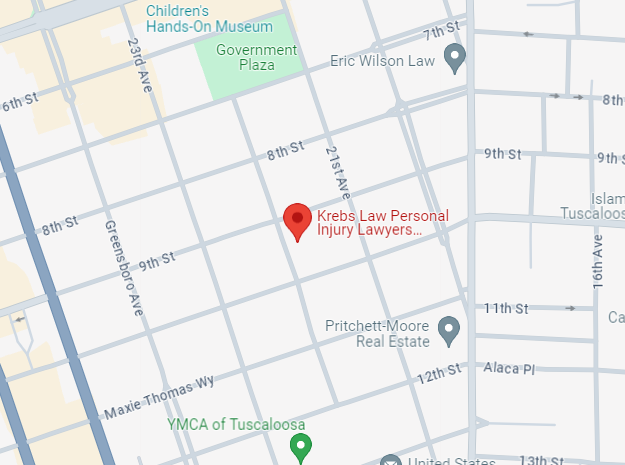
Evidence must be preserved. Deadlines apply. Don't wait to explore your options. Call our Tuscaloosa office today. You can also complete our online form or visit us in person. We fight for maximum compensation, including punitive damages. Our team serves Tuscaloosa and the surrounding Alabama communities. Let us help you hold the responsible party accountable.

J.R. is dedicated to providing personalized representation, avoiding a one-size-fits-all approach. He tailors his strategy to the unique challenges and needs of each client and case, ensuring focused and individualized attention.
His practice mainly covers Plaintiff’s Personal Injury, including car and 18-wheeler accidents, slips and falls, dog bites, defective products, and wrongful death. He also handles commercial disputes on contingency, with experience in contracts, construction, and probate. For any dispute headed toward litigation, J.R. develops an aggressive strategy to maximize your recovery through negotiation, arbitration, or trial.

"*" indicates required fields
"*" indicates required fields