This page was written, edited, reviewed & approved by JR Krebs following our comprehensive editorial guidelines. JR Krebs, the Founding Partner, has years of legal experience as a Personal Injury attorney. Our last modified date shows when this page was last reviewed.
Insurance bad faith happens when an insurer unreasonably denies, delays, or underpays a valid claim it is obligated to honor. You paid your premiums expecting protection, so a wrongful denial can feel like a second injury on top of the first. When an insurer treats a legitimate claim unfairly, Alabama law may give you the right to hold that company accountable. Understanding how bad faith claims work helps you recognize when a denial crosses the line from a dispute into misconduct.
At Krebs Personal Injury Lawyers, we help policyholders in Tuscaloosa push back when an insurer refuses to pay what it owes. If your claim was wrongly denied, our team is ready to review your options.
Every insurance policy carries an implied duty of good faith and fair dealing. This means the insurer must handle your claim honestly, investigate it fairly, and pay valid claims promptly. A bad-faith claim arises when the company breaches that duty for no legitimate reason.
Bad faith is different from an honest disagreement over coverage. An insurer is allowed to deny a claim when it has a reasonable, arguable basis to do so. The problem begins when the company denies, delays, or shortchanges a claim it knows it should pay.
Most of these disputes involve first-party claims, meaning claims you file under your own policy. A third-party claim, by contrast, is one you make against someone else's policy, such as an at-fault driver's insurer. The strongest bad faith protections generally apply to first-party claims under your own coverage.
It is important to note that, under Alabama law, a third party typically cannot bring a direct claim of bad faith against an insurer. However, once a third party secures a judgment against the insured, they may stand in the shoes of the insured as a judgment creditor and pursue an action against the insurer under Alabama’s direct action statute.
Bad faith can take many forms, and it is not always obvious at first. What connects these actions is an insurer putting its own interests ahead of a policyholder it agreed to protect.
Some of the most common examples include the following patterns:
When any of these tactics appears without a legitimate basis, it may signal bad faith rather than a routine claim dispute.
Alabama recognizes two forms of bad faith failure to pay. The distinction matters because each one requires proving different facts. Knowing which applies can shape how a claim moves forward.
Normal bad faith is the standard version of the claim. To succeed, a policyholder generally must prove several connected elements:
Consider a homeowner whose roof damage is denied without any inspection or stated reason. If the insurer had no arguable basis for the denial and knew it lacked one, that refusal can meet the standard for a normal bad faith claim. The same logic applies to wrongly denied auto, health, and disability claims.
Courts set this bar high on purpose. The state Supreme Court laid out these requirements in National Savings Life Insurance Co. v. Dutton, a foundational bad faith decision.
The Alabama Supreme Court established in National Savings Life Insurance Co. v. Dutton that for a 'normal' bad faith claim, you must demonstrate that you are entitled to a judgment as a matter of law (formerly a 'directed verdict') on your underlying breach of contract claim. This confirms that the insurer had no legal or factual defense to your claim.
Abnormal bad faith covers situations where the insurer's conduct is especially troubling. Here, liability can exist even when coverage is debatable. This applies when a company intentionally or recklessly fails to investigate a claim or ignores evidence supporting payment.
In these cases, the focus shifts to how the insurer handled the claim rather than the final coverage decision. An insurer cannot avoid responsibility by refusing to look at the facts.
While 'normal' bad faith requires proving four specific elements, an 'abnormal' bad faith claim requires a fifth: you must prove the insurer intentionally or recklessly failed to properly investigate your claim, or failed to subject the results of that investigation to a cognitive evaluation and review. In these cases, you are essentially proving the insurer remained deliberately ignorant of the facts to avoid paying a valid claim.

Don’t let insurers minimize your Bad Faith Claim.
Proving bad faith requires showing that the insurer had no reasonable basis for its decision. That evidence usually comes from the claim file and the written record between you and the company. Strong documentation often makes the difference in these cases.
Helpful proof can include your policy, the denial letter, and all emails or letters exchanged during the claim. The insurer's own claim notes and internal guidelines can also reveal how the decision was made. In many cases, testimony from an industry expert helps show what a reasonable insurer would have done.
Careful records from the start give a bad-faith claim its foundation. Patterns in how the company treated similar claims can strengthen the picture as well. The more clearly the timeline shows unreasonable conduct, the stronger the case becomes.
A bad faith claim can allow recovery beyond the original policy benefits. That starts with the amount the insurer should have paid under the policy in the first place. Beyond that, the law may allow compensation for the additional harm caused by the denial.
Depending on the facts, recovery can include financial losses and compensation for mental anguish tied to the wrongful denial. In cases of especially serious misconduct, a court may also award punitive damages meant to deter similar conduct. The specific outcome always depends on the strength of the evidence.
Timing is also critical because bad faith is a legal wrong known as a tort. The statute of limitations, the legal deadline to file a lawsuit, generally allows two years from the date the claim arises under Alabama law Code Section 6-2-38. Missing that window can bar an otherwise valid claim.
Standing up to an insurance company is difficult, especially while you are dealing with the loss behind the claim. Our team investigates how the insurer handled your claim and gathers the records that reveal unreasonable conduct. We also press for the full value you are owed, not just the amount the company offered.
We understand the tactics insurers use to minimize or delay valid claims. By building a documented case, we work to hold the company accountable for its decisions. Krebs Personal Injury Lawyers handles this pressure so you can focus on moving forward.
Many valid claims are paid once an insurer realizes a policyholder has legal representation and a documented record. Our goal is to make the cost of continued denial clear and to pursue every dollar the policy owes.
These are questions policyholders often ask about bad faith claims and how they work.
A common example is an insurer denying a clearly covered claim without giving any reasonable explanation. Unreasonable delays and lowball offers on valid claims are also frequent forms of bad faith.
No. An insurer can deny a claim when it has a reasonable, arguable reason, and that is a normal dispute rather than bad faith.
You generally must show the insurer refused to pay a valid claim with no legitimate reason and knew it lacked one. Your policy, the denial letter, and the claim file are key evidence.
You may recover the unpaid policy benefits plus additional harm, such as financial losses and mental anguish. Serious misconduct can also support punitive damages.
In Alabama, you generally have two years from the date the claim arises to file a bad faith lawsuit. Missing that deadline can end your right to recover.
You are not required to have one, but these claims are complex, and insurers defend them aggressively. A lawyer can gather the proof needed to show unreasonable conduct.

Because Alabama gives you only two years to bring a bad faith claim, acting early can protect your right to recover. If your insurer denied, delayed, or underpaid a valid claim, you do not have to accept that decision alone.
We understand how discouraging it feels to fight the company you trusted to protect you. At Krebs Personal Injury Lawyers, our team focuses on holding insurers accountable for policyholders throughout the Tuscaloosa area. We handle these claims on a contingency fee basis, so you pay nothing unless we recover for you.
Every case begins with a free case evaluation, where we review your denial and explain your options. To discuss your bad-faith insurance claim with our team, call (205) 843-6037 or reach us through our contact page.
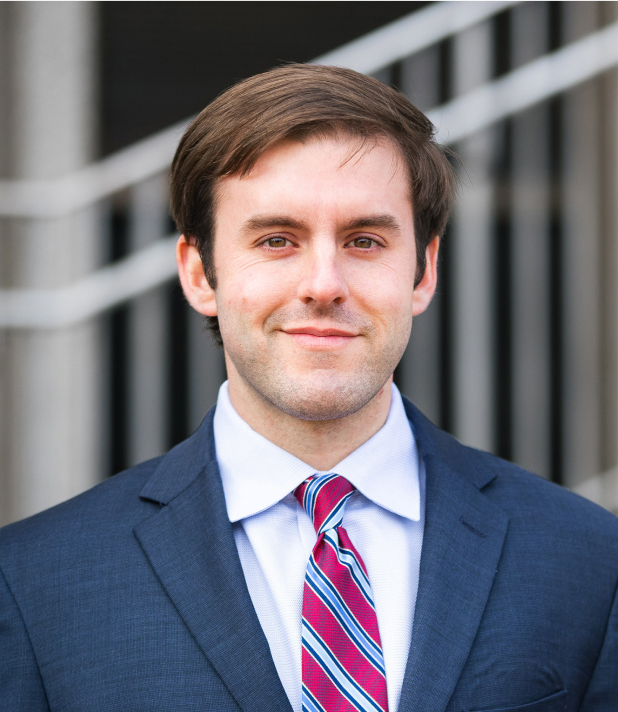
J.R. is dedicated to providing personalized representation, avoiding a one-size-fits-all approach. He tailors his strategy to the unique challenges and needs of each client and case, ensuring focused and individualized attention.
His practice mainly covers Plaintiff’s Personal Injury, including car and 18-wheeler accidents, slips and falls, dog bites, defective products, and wrongful death. He also handles commercial disputes on contingency, with experience in contracts, construction, and probate. For any dispute headed toward litigation, J.R. develops an aggressive strategy to maximize your recovery through negotiation, arbitration, or trial.

"*" indicates required fields
"*" indicates required fields