This page was written, edited, reviewed & approved by JR Krebs following our comprehensive editorial guidelines. JR Krebs, the Founding Partner, has years of legal experience as a bankruptcy attorney. Our last modified date shows when this page was last reviewed.
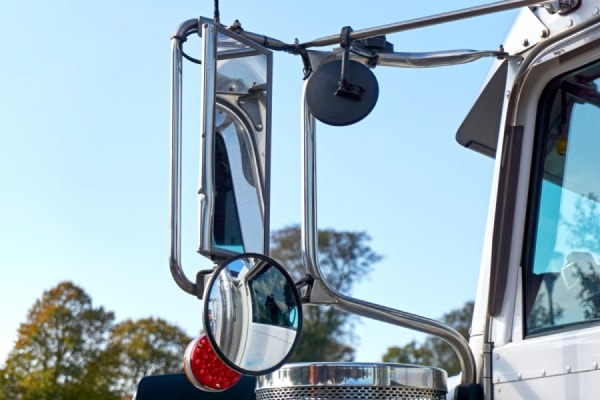
Blind spot truck accidents: who is responsible? is one of the most common questions we hear after a crash involving a large truck. These collisions often happen because a truck driver cannot see other vehicles in wide “No-Zones.” Determining liability depends on how the accident occurred and whether the driver or the trucking company failed to follow safety rules. At Krebs Personal Injury Lawyers, we investigate truck accident cases in depth to find the at-fault party. We work to protect truck accident victims and pursue compensation for their losses.
Blind spots on commercial trucks cover large areas where the driver has zero visibility. This makes blind spot truck accidents far more likely than most people realize. When a truck driver moves across multiple lanes or stops quickly, smaller vehicles may disappear from view. These hidden zones lead to blind spot collisions with devastating consequences. Understanding these zones is the first step in determining liability.
A commercial truck has four major blind spots that pose a danger to other motorists. The front and rear blind spot areas extend several feet beyond the truck’s bumper and trailer. The side blind spots, especially on the right, can hide a car, an SUV, or even an entire lane. These zones expand when the truck’s trailer swings or changes lanes. We review diagrams, witness statements, and surveillance footage to see which blind spot contributed to the accident.
Smaller vehicles vanish in these areas due to height differences and limited visibility from mirrors. Drivers rely on mirrors that cannot reach every angle, especially around a long trailer. A car’s blind spot may line up with the truck’s blind spot, creating double danger. When this happens, a blind spot crash can occur without warning. We analyze these conditions when building a blind spot accident case.

Blind spot truck accidents often follow predictable events tied to the truck’s movement. These crashes involve lane changes, turns, merging, or sudden braking. Each maneuver can trigger a blind spot collision when the driver fails to check for other vehicles. Even properly trained drivers may miss a smaller vehicle hidden beside the trailer. Understanding how the accident occurred helps us identify the responsible parties.
Many blind-spot truck accidents occur when a truck moves into another lane without confirming that it is clear. The driver may rely on defective mirrors or fail to use signals. A vehicle in the side blind spot can be struck and forced out of its lane. This can cause underride accidents or serious injuries. We examine black box data and gather evidence to show how the lane change occurred.
Right turns are especially dangerous because the truck’s trailer swings wide. A smaller vehicle beside the truck may get trapped between the trailer and the curb. These blind spot collisions can cause broken bones, spinal cord injuries, and other severe injuries. Driver awareness and proper training are critical to prevent such accidents. We study the turn path and witness statements to see whether driver negligence caused the crash.
Rear blind-spot crashes occur when a truck stops or slows more quickly than expected. The driver behind may not see the truck’s blind spot shift or sudden braking. The truck’s height also creates a risk of underride for smaller vehicles. These rear-end collisions often lead to catastrophic injuries or traumatic brain injuries. We review truck speed, brake data, and the accident scene to determine liability.
Truck drivers must follow strict safety rules under personal injury law. They must exercise reasonable care, especially regarding blind spots. The trucking company must ensure drivers receive extensive training to handle such accidents safely. When they ignore these duties, multiple liable parties may be held responsible. We use these legal standards to support a personal injury lawsuit and recover fair compensation.
A truck driver must adjust mirrors before driving and check them often. Proper mirror use reduces blind spots and helps prevent blind-spot truck accidents. Failure to adjust mirrors can make the driver at fault for the crash. We look at inspection records, training logs, and driver behavior before the collision. These details show whether the driver met their legal duty.
Drivers must signal early and check all blind spots before turning or changing lanes. Many blind-spot truck accidents occur when drivers skip these steps. Ignoring this duty puts other vehicles at high risk in multiple lanes. When we investigate blind spot accident cases, we examine whether the driver used signals correctly. This helps determine liability and prove negligence.
Modern trucks include cameras, sensors, and other safety tools that reduce blind spots. A driver or trucking company may be negligent if they fail to use these devices. Technological failures contribute to blind spot collisions and severe injuries. We also check for defective mirrors or failed systems that limit the driver’s visibility. These details strengthen the claim for truck accident victims.
Determining fault in a truck blind-spot collision requires a close look at all parties involved. Under Missouri’s comparative fault system, more than one party may be held liable. We review the actions of the truck driver, the trucking company, and other drivers on the road. Each decision made before the accident affects who must pay for medical bills, lost wages, and other damages. Our goal is to help truck accident victims recover compensation through a fair settlement and full financial recovery.
A truck driver must check blind spots, use signals, and change lanes with care. When they fail to follow these basic safety steps, such accidents become far more likely. A driver may also skip required mirror checks or ignore the limits of the truck’s blind spot. These actions place other drivers at great risk during lane changes and turns. When we investigate a blind spot crash, we look for these errors to show why the driver should be held liable.
A trucking company can also share blame when its poor training or oversight leads to a truck blind spot collision. Some companies allow drivers on the road without proper instruction on blind spots or safe lane changes. Others fail to maintain mirrors, sensors, or cameras that help prevent such accidents. These choices expose accident victims to danger and increase the chance of serious injuries. We review company policies, training materials, and safety records to demonstrate how their failures contributed.
Other drivers may also contribute to a blind spot accident if they drive in unsafe positions near a large truck. Staying beside a truck’s trailer for long periods or making sudden moves into a blind spot can increase the chance of a collision. Missouri law allows shared fault, which means a passenger vehicle driver’s choices may reduce their compensation. Still, a truck driver and their employer must follow safety rules regardless of other drivers’ actions. We help injured motorists understand their legal options and pursue compensation even when multiple parties share blame.
Blind spot truck accidents demand quick action to protect crucial evidence before it disappears. Much of the evidence comes from electronic systems, truck records, and eyewitness accounts. We secure this information early in the legal process to keep trucking companies from altering or hiding it. Our legal support includes working with medical professionals, accident reconstruction experts, and investigators to build a strong case. This careful approach helps injury victims seek financial recovery for medical expenses, lost income, and other losses.
The truck’s ECM records speed, braking, and steering right before the accident occurred. Dashcams may show how the truck driver checked—or failed to check—blind spots. These tools help us see whether sudden movements, lane changes, or rear-end collisions were avoidable. When we gather evidence from these systems, we build a more complete picture of the fault. This data often proves key in showing why the at-fault party must pay for medical bills and other damages.
Police reports document early facts, road positions, and the officer’s view of what caused the accident. Witness statements add important details that may reveal what other drivers saw when the blind spot crash happened. These accounts often support the claims made by injured victims in truck accident cases. We gather statements quickly while memories are still clear. This information strengthens the case and supports a fair settlement.
A truck driver’s logs show rest breaks, driving hours, and safety checks. Maintenance records reveal whether mirrors, sensors, or other visibility tools were working at the time of the accident. If a trucking company ignores repairs, it may be held liable for the resulting injuries. These documents also help show whether defective parts or improper upkeep played a role. We review all records to ensure responsible parties cannot avoid blame.
Accident reconstruction experts study skid marks, vehicle damage, and movement patterns to explain how the collision happened. Their analysis helps clarify how blind spots contribute to the crash. They also help confirm whether drivers followed safety rules or made dangerous decisions. This expert review often supports our legal arguments and strengthens the personal injury lawsuit. With their input, we can pursue compensation more effectively for truck accident victims.
Not always. A truck driver has a high duty of care, but your actions are reviewed under Missouri’s comparative fault law, just as they are in car accidents.
The lack of available safety technology can show the trucking company failed to reduce known risks, and we examine this closely as your truck accident attorney.
Often, yes. A company may still be held liable for negligent hiring or for exercising control over the contractor’s safety practices.
Passing on the right can be viewed as unsafe and may increase your share of fault, but it does not bar you from seeking legal help and pursuing compensation.
Your compensation is reduced by your percentage of fault, which affects lost wages, medical expenses, and other damages you may recover.
ECM data is vital because it records speed and braking moments before impact and helps us, as your accident lawyer, build a clear picture of what happened.

Blind-spot-related accidents raise complex questions of fault and aggressive defense tactics from trucking insurers. These companies often rush to shift the blame, making an immediate investigation essential. We gather key evidence, work with experts, and guide you through the legal process with strong legal support. Our team also reviews how government entities or multiple parties may have contributed to the crash.
At Krebs Personal Injury Lawyers, we have the tools, training, and experience to build a powerful case. If you were hurt, do not guess about fault or accept a fast offer that will not cover your medical bills or lost income. Contact us today for a free legal consultation to understand your rights. We are committed to holding every negligent party fully accountable and helping truck accident victims recover fully.

J.R. is dedicated to providing personalized representation, avoiding a one-size-fits-all approach. He tailors his strategy to the unique challenges and needs of each client and case, ensuring focused and individualized attention.
His practice mainly covers Plaintiff’s Personal Injury, including car and 18-wheeler accidents, slips and falls, dog bites, defective products, and wrongful death. He also handles commercial disputes on contingency, with experience in contracts, construction, and probate. For any dispute headed toward litigation, J.R. develops an aggressive strategy to maximize your recovery through negotiation, arbitration, or trial.
"*" indicates required fields