This page was written, edited, reviewed & approved by JR Krebs following our comprehensive editorial guidelines. JR Krebs, the Founding Partner, has years of legal experience as a bankruptcy attorney. Our last modified date shows when this page was last reviewed.
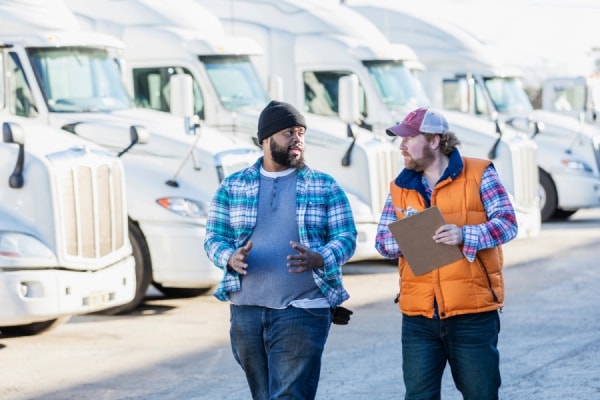
The role of employer negligence in fleet accident claims is often the key factor that decides who must pay for the harm caused. Many accidents involve more than a single bad driver decision. They stem from unsafe company policies, poor training, or failures in basic safety protocols. At Krebs Personal Injury Lawyers, we investigate employer liability to uncover the full truth behind a crash. When we prove these failures, we strengthen your claim for full and fair compensation.
Understanding how the law treats employer negligence helps us build stronger fleet accident claims. A company may be liable for its employee's actions or for its own unsafe choices. Both theories can apply when a company vehicle is involved in a crash. We look at the full picture to identify every source of fault. This is how we hold employers accountable and protect injured workers and roadway users.
Respondeat superior allows us to hold an employer liable for a driver's actions within the scope of employment. The rule applies when the employee performs job duties, drives a company car for deliveries, or operates company vehicles for work-related duties. Even a minor deviation from the route does not break the employer's liability unless the employee uses the vehicle for unauthorized personal use. If the accident occurred while doing work tasks, the employer is typically responsible. This helps victims recover lost wages, medical expenses, and other damages tied to the driver’s negligence.
Direct negligence looks at the employer’s own choices and failures rather than the driver’s conduct. Employer negligence occurs when a company fails to follow safety protocols, allows unsafe driving practices, or ignores warning signs. Common examples include negligent entrustment, negligent maintenance, inadequate training, and unrealistic deadlines that push drivers beyond safe limits. A company may be held liable when it fails to take reasonable steps to provide a safe work environment or properly train drivers. When we prove these failures, we show how employer negligence plays a direct role in the accident and the injuries that follow.
Companies can be directly negligent in many ways, and each failure puts both employees and the public at risk. When an employer fails to follow safety rules, ignores problems, or pressures drivers, serious harm can follow. These acts go beyond the driver’s own negligence and create their own basis for direct liability. We work to uncover these failures and show how they led to the accident. This helps employees injured on the job and other victims secure fair compensation and access all legal options.
Negligent hiring happens when a company ignores red flags in a driver’s record. A delivery driver with past crashes, DUIs, or disciplinary action should not be allowed to drive company vehicles. When employers hire unqualified or unsafe drivers, they may be held responsible for the harm these drivers cause. These cases often involve poor review of police reports, incomplete background checks, or the failure to address employment gaps. We show how the employer fails to ensure the driver is adequately trained and fit for work-related car accident duties.
Drivers must receive proper training to handle company vehicles safely. When an employer fails to provide training or follow employer policies, they create risks that can lead to severe vehicle accidents. In many cases, supervisors overlook unsafe conduct or fail to enforce safety protocols. Companies may even lack basic systems for monitoring driver behavior. These failures form the basis of a strong workers' compensation claim or third-party liability case.
Negligent entrustment occurs when a company knowingly gives a vehicle to a driver who is unfit or unsafe. This may involve a defective vehicle, ignored vehicle maintenance needs, or a driver using the vehicle for personal errands or personal reasons. When an employer allows unsafe conditions, it may be held responsible for the injuries and rehabilitation costs that follow. These cases often expose poor employer policies and weak safety practices. We use these facts to show that the employer should be held responsible.
Some companies pressure drivers with tight deadlines, which can encourage unsafe choices. This includes skipping breaks, rushing through deliveries, or driving while exhausted. Such pressure violates federal trucking regulations and increases the risk of crashes. When a company forces or encourages this behavior, it may face punitive damages for gross negligence. We act quickly to gather driver logs, policy language, and company records to prove these violations.
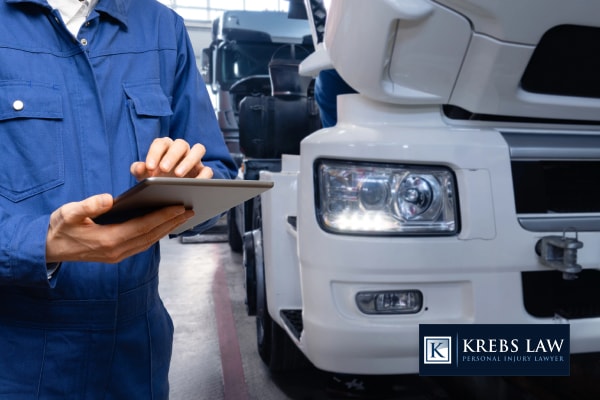
Employer negligence is not abstract. It leads to real, preventable harm on the road. Corporate choices shape driver behavior, vehicle safety, and compliance with critical rules. When these choices fall short, accidents follow. We trace the link between decisions made inside the company and the collision at the accident scene.
Poor maintenance is a leading cause of preventable crashes. When employers ignore warning signs or skip inspections, mechanical failures can cause a driver to lose control. Brake issues, steering problems, and worn tires are all examples. A vehicle manufacturer may also share liability if a defect contributed to the crash. We review repair records to determine fault and shift liability where appropriate.
Improper loading creates instability and increases the chance of rollovers or rear-end crashes. Employers who fail to train workers in safe loading practices put everyone at risk. These cases often involve overlooked company policies, missing securement tools, or rushed procedures. When improper loading causes harm, we pursue all responsible parties. This helps victims recover medical expenses and lost wages tied to the employer’s failures.
Some employers allow unsafe practices to become the norm. This may include ignoring speed limits, skipping inspections, or bypassing safety protocols. A culture that excuses or rewards risky behavior leads to serious collisions. We use records, witness accounts, and policy failures to show how company culture contributed to the accident. This strengthens your claim for emotional distress, wage replacement, and other damages.
Proving employer negligence requires careful work and a deep understanding of the legal process. We examine internal practices to uncover the truth. These cases often involve multiple layers of liability, complex documentation, and mixed insurance coverage. Our goal is to hold the employer accountable and show how its choices caused the accident. When we prove direct negligence, we strengthen your right to maximum compensation.
Key evidence includes employment files, safety records, maintenance logs, and training documents. We look at how the employer handled complaints and vehicle maintenance, and required employees to follow safety rules. This evidence shows whether the employer took reasonable steps to prevent harm. We also examine any personal auto insurance issues when the employee takes a company car home. These details help show whether the employer’s negligence caused the accident.
Compliance with federal trucking regulations is not optional. Violations often point to systemic employer negligence. These may include skipped inspections, ignored training standards, and weak supervision. These violations help us prove direct liability and gross negligence. We use agency records to strengthen your claim for punitive damages.
We gather evidence, consult experts, and build a clear timeline of the employer’s failures. Our team explains how these failures created unsafe conditions. We review police reports, company policies, and the employer’s history of violations. Then we link each failure to the harm suffered by employees and other victims. This ensures you have strong legal guidance and access to every available legal option.

Suing the company directly, not just the driver, offers major benefits for your claim. When employer negligence is proven, you can often pursue more than wage replacement and medical treatment alone. This helps close the financial gaps left by workers' compensation benefits. It also opens the door to broader damages, including emotional distress and long-term care. We fight to ensure the employer is held fully accountable.
Employer liability claims reach the company’s full insurance coverage and assets. This means you can recover more than what workers' compensation provides. Many employers also carry liability policies that apply when their conduct causes harm. Adhering to these policies helps you secure the maximum compensation. This is especially important in cases with lasting injuries or high medical bills.
Direct claims against the employer give us more leverage during settlement talks. Jurors often view employer negligence as more serious than simple driver mistakes. This pressure encourages companies to offer fair compensation. If they refuse, we are prepared to take the case to trial. This strategy helps protect your rights and improves your chances of a successful outcome.
A company often has more insurance and assets. Its own negligence in common scenarios, like poor training or unsafe policies, may have created the danger.
It occurs when a company gives a vehicle to an unfit, unqualified, or poorly trained driver, making a crash foreseeable and preventable.
We use driver logs, pay records, internal emails, dispatcher messages, and testimony from current or former drivers to show this conduct.
Yes, if the company kept control over the work or negligently hired or entrusted the vehicle to the contractor.
A rating is only one factor. We investigate specific facts, failures, and violations tied to how the accident occurred.
You should contact a lawyer fast to send a spoliation letter to preserve logs, driver files, maintenance records, and other evidence.

Fleet accidents are often caused by internal system failures, not just driver error. These employers have legal teams ready to avoid blame and limit your recovery. At Krebs Personal Injury Lawyers, we know how to expose these failures and hold employers accountable for their choices. If you were hurt in a crash with a company vehicle, do not settle for less than you deserve. Contact us today for a free, strategic case review, and we will fight for maximum accountability and compensation.

J.R. is dedicated to providing personalized representation, avoiding a one-size-fits-all approach. He tailors his strategy to the unique challenges and needs of each client and case, ensuring focused and individualized attention.
His practice mainly covers Plaintiff’s Personal Injury, including car and 18-wheeler accidents, slips and falls, dog bites, defective products, and wrongful death. He also handles commercial disputes on contingency, with experience in contracts, construction, and probate. For any dispute headed toward litigation, J.R. develops an aggressive strategy to maximize your recovery through negotiation, arbitration, or trial.
"*" indicates required fields