This page was written, edited, reviewed & approved by JR Krebs following our comprehensive editorial guidelines. JR Krebs, the Founding Partner, has years of legal experience as a Personal Injury attorney. Our last modified date shows when this page was last reviewed.

Fleet accidents caused by inadequate driver training happen when trucking companies fail to teach basic safety skills required to operate large vehicles. These failures often cause truck accidents that lead to serious injuries and major property damage. The Federal Motor Carrier Safety Administration (FMCSA) reports that driver error is a factor in more than 90% of commercial truck accidents, and poor training is a major contributing factor. When a trucking company cuts corners, both the driver and the public suffer. At Krebs Personal Injury Lawyers, we know how to investigate these failures and hold companies accountable for the harm they cause.
Comprehensive driver training is essential for safe commercial vehicle operation. Proper training helps truck drivers understand traffic laws, trucking regulations, and safe driving practices. In contrast, inadequate training leaves drivers unable to respond to hazards, which increases the risk of avoidable accidents. These failures threaten everyone on the road, including pedestrians, other drivers, and entire communities. Our truck accident lawyer works to prove that a company failed to provide adequate training and violated safety rules.
Proper training teaches drivers how to operate large vehicles, practice defensive driving, and avoid distracted driving. It also covers hours-of-service, driving under the influence, and drowsy-driving risks. Training helps prevent mistakes that cause many truck accidents, such as improper loading or losing control in adverse weather conditions. When training programs follow federal regulations and industry standards, truck accidents caused by driver error drop sharply. We review training materials, instructor qualifications, and company records to identify where failures occurred.
One missing skill can lead to a chain of failures behind the wheel. If a driver was never taught how to brake safely, worn brakes or poor vehicle maintenance can make the problem worse. If they don’t understand hazardous materials rules, the risk of severe accidents rises. When a company ignores safety protocols, equipment failure and improper actions become more likely. We review these patterns to show how inadequate training contributed to the crash.

The FMCSA’s Entry-Level Driver Training rules set a national baseline for driver safety and skill development. These rules are the minimum safety standards that every new driver must meet before operating large commercial vehicles. When trucking companies ignore these rules, the legal consequences can be severe, and the legal process often reveals major training gaps. We review these requirements to show how a company failed to provide ongoing training or follow safety standards. This helps injured victims seek maximum compensation for medical expenses and other losses.
ELDT rules require new truck drivers to complete approved training before receiving a CDL. These rules cover driving skills, road safety, and knowledge of speed limits and federal regulations. They apply to both employees and any independent contractor operating a commercial truck. When companies skip or shorten training, they create conditions that lead to mechanical failures and preventable crashes. We examine ELDT compliance to show where the company cut corners.
Drivers must receive classroom instruction on safety standards and hands-on training behind the wheel. Required topics include hazard awareness, vehicle systems, cargo handling, and emergency procedures. Drivers also learn how to prevent loss of control, avoid crashes, and handle unexpected road hazards. When a company fails to teach these skills, accidents become more likely. We use these gaps to determine fault and support the injury claim.
Training must come from FMCSA-approved schools or certified providers. These programs track progress, test skills, and report completion directly to government systems. If a fleet operator chooses cheaper, unapproved training, the driver may never learn essential safety practices. This failure puts the public at risk and increases the trucking company’s liability. We use training records to show whether the company met its legal duties.
Training failures appear in predictable patterns that often lead to severe accidents. These failures often manifest in driver behavior on the road, especially when a driver is under pressure or faces unexpected hazards. Poor training limits a driver’s ability to avoid collisions, follow safety standards, or respond to mechanical failures. We examine these patterns to support the legal process and seek maximum compensation for the victim. Clear warning signs include:
Many new drivers enter the road without enough supervised practice. Limited time behind the wheel makes it hard to control a large truck in tight turns or heavy traffic. This inexperience leads to dangerous errors that put others at risk. Companies that rush training often ignore these risks. We use these failures to show why victims deserve compensation.
A well-trained driver must spot hazards early and react with safe driving techniques. Poor training leaves drivers unable to avoid risks like sudden stops, changing weather, or speeding vehicles. Weak defensive driving techniques often lead to preventable collisions. These failures increase medical expenses for victims and worsen injuries. We review driver safety files to uncover missing training.
Some trucks carry hazardous materials or heavy loads that require advanced skill. Without proper training, drivers may mishandle cargo or fail to secure it properly. This creates major safety threats on the road. Equipment mistakes often lead to loss of control or cargo spills. We check certification records to find these errors.
Modern trucks rely on ELDs and safety systems that require training. Drivers who do not understand these tools may violate hours-of-service rules or miss key warnings. This leads to drowsy driving, unsafe speeds, and regulatory violations. Poor tech training puts everyone at risk. We show how improper training contributed to the crash.
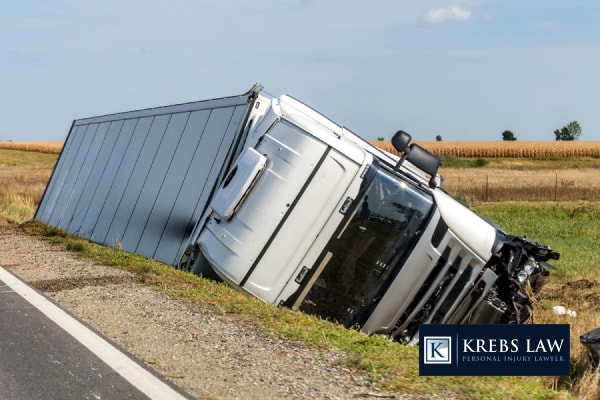
When drivers lack essential skills, certain accidents become far more likely. These crashes often share the same causes: weak training, pressure to meet deadlines, and poor oversight. Each scenario creates dangers for everyone on the road. We analyze these patterns to determine fault and hold the company accountable. Strong evidence helps victims recover maximum compensation for their injuries.
Loss-of-control crashes happen when a driver cannot manage speed, shifting loads, or sudden stops. Jackknifing and rollovers often stem from poor training and a lack of hazard awareness. These crashes cause severe injuries and major property damage. Companies must teach drivers how to avoid these events. We use crash data to show training failures.
Improper merging and lane changes often come from weak instruction on blind spots and space management. Inexperienced drivers may turn or merge without checking mirrors or signaling. These mistakes cause dangerous side-impact collisions. Proper training prevents most of these crashes. We review driver behavior to show where training failed.
Rear-end accidents happen when a driver fails to maintain a safe distance. Poor training leaves drivers unaware of how long a large truck needs to stop. These crashes create high medical expenses and long-term injuries. Safe training avoids most of these collisions. We gather evidence to prove the company’s role.
Turning accidents occur when drivers misjudge blind spots or the swing of a trailer. Weak training in truck maneuvering makes these collisions far more likely. These crashes cause painful injuries and heavy financial burdens. Companies must provide ongoing training to prevent these events. We examine logs and training files to build the case.
A trucking company can be held liable when its own failures—such as weak training standards or negligent hiring—cause a crash. This liability is separate from the truck driver’s mistakes because the company controls training programs, supervision, and compliance with industry regulations. When a company ignores federal trucking regulations, hours-of-service regulations, or driver fatigue risks, the danger grows. Unrealistic delivery schedules and poor maintenance also show a pattern of neglect within the trucking industry. At Krebs Personal Injury Lawyers, we review every decision the company makes to help victims win fair compensation for medical bills and other losses.
A trucking company has a duty to provide proper driver training that meets federal and industry regulations. This duty exists because large trucks can cause significant harm when driven by untrained or inattentive drivers. Companies must screen drivers, teach safety rules, and prevent impaired driving or driver fatigue. Failure to do so shows disregard for public safety. We use these duties to prove the company acted unreasonably.
We show a breach by pointing to inadequate training, missing oversight, or negligent hiring. Many fleet operators ignore federal rules or rely on outdated training standards. Some companies push drivers to meet unrealistic delivery schedules, which increases fatigue and the risk of mistakes. Others fail to teach basic safety skills or maintain safe vehicles. These failures show how the company created unsafe conditions.
To prove causation, we connect the company’s training failures to the driver’s conduct at the time of the crash. For example, gaps in training may explain improper braking, speeding, or poor hazard awareness. Missing instructions on safety rules may also explain impaired driving or the violation of hours-of-service regulations. This link shows that the company’s actions directly contributed to the crash. With this proof, we help victims pursue fair compensation through a free consultation.

Proving inadequate training requires a deep investigation into company files, hiring decisions, and safety practices. We examine how the company handled supervision, equipment maintenance, and compliance with rules. We also look at whether government agencies had flagged the company for safety issues. Many companies hide failures in training or maintenance, so we gather strong evidence to expose the truth. This process helps victims recover compensation and move forward.
We begin by collecting driver files, safety scores, and documentation of proper driver training. These records often reveal missing courses, ignored safety rules, or expired certifications. Training gaps may explain impaired driving, fatigue, or failure to comply with hours-of-service regulations. Such evidence demonstrates whether the company complied with the required training standards. If records are missing, that itself raises concerns about compliance.
A driver’s history helps show whether negligent hiring played a role. Past crashes, violations, or warning signs may show the company ignored real risks. We compare these issues with the company’s hiring rules and federal regulations. If the company knowingly hired an unsafe driver, the legal consequences can be severe. This analysis strengthens the claim for victims.
We examine the company’s written policies to determine whether they comply with industry regulations. Problems such as outdated manuals, insufficient ongoing training, or weak supervision stand out. We also review government agency compliance audits to identify where the company fell short. These failures help us determine fault and show the company’s pattern of neglect. This step reveals the truth behind the crash.
We question key people under oath to uncover how the company handled training. Their statements may reveal poor maintenance practices, violations of safety standards, or pressure to exceed speed limits. We also explore whether unrealistic delivery schedules encouraged unsafe choices. These depositions often expose training failures and company neglect. They help us build a strong case for fair compensation.
Experts explain how proper training should work and why the company’s methods were unsafe. These specialists link mechanical failures, driver fatigue, or impaired driving to training and supervision issues. Their testimony helps a jury understand how the crash occurred. We use their insights to show how the company violated industry standards. This strengthens the victim’s claim for maximum compensation.
A crash caused by inadequate training can leave victims with heavy losses and long-term needs. At Krebs Personal Injury Lawyers, we work to recover financial support for every harm caused by the company’s failures. Victims often face steep medical bills, missed work, and lasting physical limitations. We fight to secure fair compensation through all available legal avenues. Your recovery may include:
We use evidence and expert support to show how training failures created these losses. Our goal is to help victims move forward with confidence.
Liability may fall on the trucking company, the driver, training providers, or supervisors who failed to meet safety standards or follow federal rules.
No. A company can still be liable for negligent hiring, failure to address warning signs, or poor maintenance, even if the driver is an independent contractor.
Both failures can support a claim. Maintenance problems often show deeper safety issues within the company.
We gather training records, audit reports, hiring documents, and witness statements to identify gaps that contributed to the crash.
Victims may face fractures, head injuries, spinal damage, or long-term pain that requires costly care.
Yes. These claims involve complex regulations, evidence, and company defenses, making legal help vital.

If a fleet’s poor training puts you in harm’s way, you should not face the fallout alone. At Krebs Personal Injury Lawyers, we move fast to protect your rights and uncover the failures that caused your crash. Our team knows how to expose unsafe practices, confront powerful trucking companies, and pursue full compensation for your losses. Contact us today for a free consultation. We will review your case, explain your legal options, and fight for the justice you deserve.

"*" indicates required fields
"*" indicates required fields